


Table of Contents
- What Defines Ethical Sourcing in the Crystal Industry
- How to Tell If Crystals Are Ethically Sourced
- Best Starter Crystals for Beginners
- Environmental Impact and Sustainable Alternatives
- Social and Labor Conditions in Mining Communities
- Budget-Friendly Ways to Shop Ethically
- Conclusion
Last Updated: August 21, 2026
What Defines Ethical Sourcing in the Crystal Industry
Ethical sourcing in the crystal industry means ensuring that crystals are mined, harvested, and distributed in ways that respect both people and the planet. This encompasses fair labor practices, environmental stewardship, transparent supply chains, and genuine commitment to the communities where mining occurs.
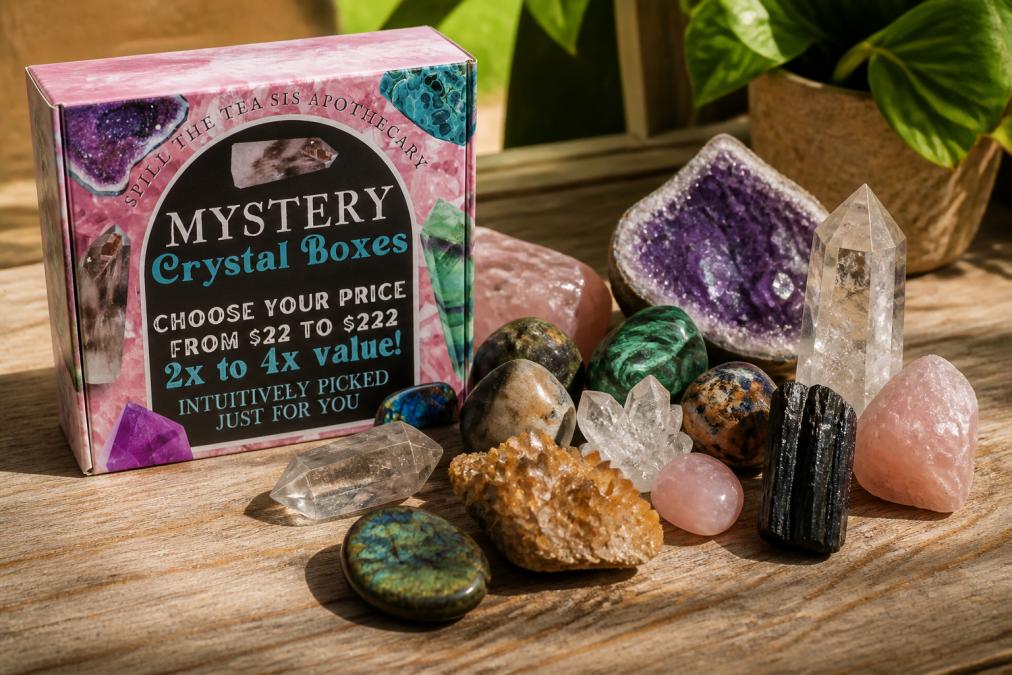
When you buy ethically sourced crystals, you're supporting miners and artisans who receive fair compensation for their work and choosing stones extracted with minimal environmental damage and full traceability from source to your hands. At Spill The Tea Sis Apothecary, we prioritize this transparency because we believe your spiritual practice should align with your values.
The crystal industry has a complicated history. Mining operations have historically harmed ecosystems and exploited workers in some regions. Conflict-free sourcing addresses this by ensuring stones don't fund exploitation or environmental destruction. Responsible sourcing goes further, actively supporting sustainable mining practices and fair trade principles. True ethical sourcing requires accountability at every step: extraction, transportation, processing, and retail. When sellers can't explain where their crystals come from or how they were obtained, that's a red flag.
How to Tell If Crystals Are Ethically Sourced
Identifying ethically sourced crystals requires asking the right questions and knowing what to look for. Start by asking your seller directly: Where do these crystals come from? Can you trace them back to the specific mine or region? Legitimate retailers will have answers about mining practices, labor conditions, and environmental protocols. If a seller becomes vague or defensive, move on.
Third-Party Certification Verification
Third-party certifications provide independent verification that crystals meet specific ethical and environmental standards. Look for certifications like Fair Trade International, the Responsible Jewellery Council, or regional mining certifications that validate responsible practices (responsiblejewellery.org).
When you see a certification label, verify it's legitimate by visiting the certifying organization's website and searching their database to confirm the seller is actually certified. Fraudulent certifications exist, so don't assume a label is real without verification. Some regions have established their own certification systems, Brazilian amethyst, for example, may carry regional certifications ensuring compliance with local labor and environmental laws. Ask your seller for copies of these certifications and contact information for the certifying body.
Asking About Supply Chain Transparency
Supply chain transparency means you can trace a crystal's journey from extraction to your home. Ask these questions: Who extracted the crystal? Under what conditions? How was it transported? Who handled it at each stage? Sellers committed to ethically sourced crystals will have answers or tell you honestly if they don't have complete information.
Request documentation if available. Ethical retailers often provide certificates of origin, supplier agreements, or sourcing reports. These documents prove they've done their homework and aren't accepting vague assurances from middlemen.
Best Starter Crystals for Beginners
Starting a crystal collection doesn't require spending heavily or owning rare specimens. The best starter crystals are affordable, widely available, and offer genuine metaphysical properties that support common intentions like grounding, clarity, and protection.
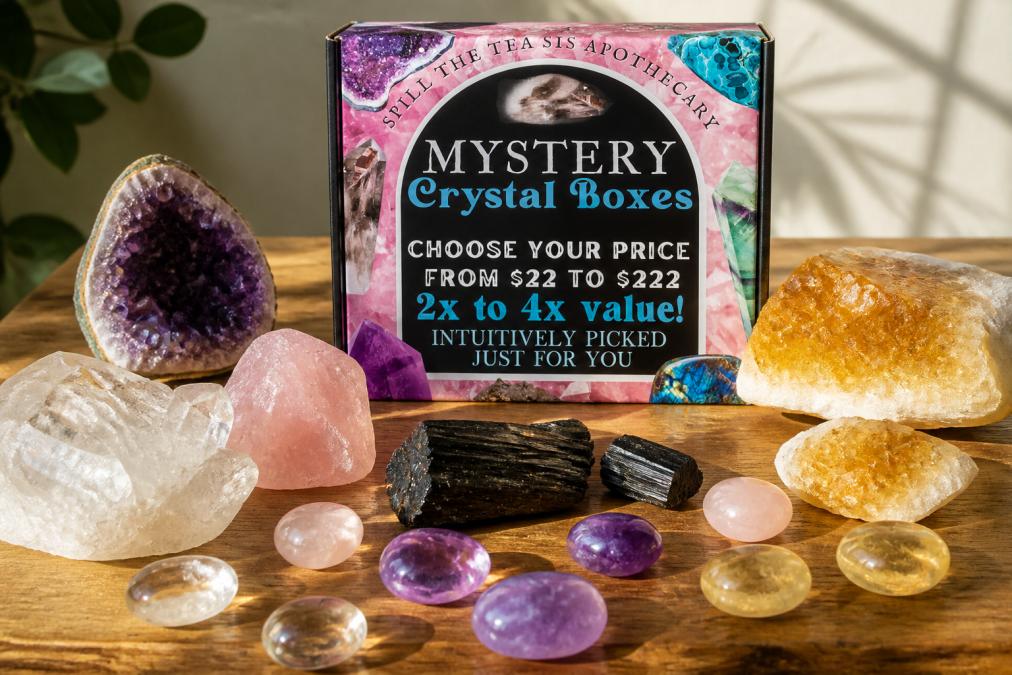
Clear Quartz is the foundation of any crystal collection. Known as a master healer and amplifier, it's versatile enough to support any intention. It's affordable, durable, and widely available from ethical sources.
Amethyst offers calming energy and supports spiritual awareness. It's one of the most accessible ethically sourced crystals because it's mined abundantly in many regions, helping with stress relief and intuition.
Rose Quartz embodies unconditional love and emotional healing. Beginners often choose rose quartz when working through grief, heartbreak, or self-compassion.
Black Tourmaline provides grounding and protection. If you're new to crystals and feel overwhelmed by energy work, black tourmaline anchors you to the present moment and shields against negativity.
Citrine attracts abundance and positive energy. Unlike some rare crystals, citrine is commonly available and ethically sourced, supporting manifestation work and bringing uplifting vibrations to your space.
Consider starting with the Mystery Crystal Box from Spill The Tea Sis Apothecary. Each box contains 2-4 crystals intuitively selected for your energy, offering exceptional value and the joy of discovering stones meant for you.

Environmental Impact and Sustainable Alternatives
Crystal mining affects ecosystems through habitat disruption, water contamination, and carbon emissions. Mining operations can damage landscapes, disrupt water systems, and harm local biodiversity. Large-scale extraction requires heavy machinery and energy-intensive processing, with transportation adding additional carbon footprint. verify ethical sourcing.
Lab-Grown vs. Mined Crystals
Lab-grown crystals offer an environmentally friendly alternative to mined stones. Created in controlled environments, they have the same molecular structure and metaphysical properties as natural crystals but without the environmental toll of mining. They eliminate habitat disruption and reduce water contamination.
However, some practitioners believe natural, mined crystals carry stronger vibrational energy because they've been shaped by Earth's forces over millennia. Both lab-grown and ethically mined crystals support your spiritual practice; the difference lies in your environmental values and beliefs about crystal formation.
Reducing Your Carbon Footprint When Ordering
Shipping adds carbon emissions to your crystal purchases. Order multiple items at once rather than making frequent small purchases, and choose slower shipping options when available. Consider buying from local retailers or sellers who source regionally to cut transportation distance and support your community. Look for sellers who use eco-conscious packaging materials like recycled paper or cardboard instead of plastic.
Social and Labor Conditions in Mining Communities
Behind every crystal is a person, often a miner working in difficult conditions for minimal pay. Mining is physically demanding and sometimes dangerous work. In regions with weak labor protections, miners may face exploitation: long hours, low wages, inadequate safety equipment, and no benefits.
Ethical sourcing directly opposes these practices by ensuring fair trade principles and labor rights protections. Responsible mining operations provide workers with living wages, safe equipment, healthcare access, and reasonable working hours. Ask sellers about labor practices in their supply chain. Do they work directly with mining cooperatives? Do they support community development projects in mining regions? Sellers genuinely committed to ethical sourcing can answer these questions with specifics.
Budget-Friendly Ways to Shop Ethically
Ethical sourcing doesn't require unlimited spending. The most overlooked budget strategy is buying from channels where ethical sourcing is easier to verify and prices are significantly lower: local sources, estate sales, and community networks.
Local Rock and Mineral Clubs
Join a local rock and mineral club in your area. These organizations host monthly meetings, gem shows, and field trips where members buy and trade directly with collectors and small miners. You can ask sellers directly about sourcing, see their entire inventory, and build relationships with people who know the provenance of their stones. Find clubs through the American Federation of Mineralogical Societies (AFMS), which maintains a directory of affiliated clubs by state (amfed.org).
Estate Sales and Auctions
Estate sales and auctions are treasure troves for ethically sourced crystals. When someone's collection is liquidated, you're buying stones that have already completed their supply chain journey, no new mining impact, no new shipping emissions. Search for estate sales in your area through EstateSales.net or local auction houses. Look for sales that include "mineral collection" or "gemstone collection" in the description.
Vintage and Secondhand Online Marketplaces
Ebay, Etsy, and Facebook Marketplace host individual sellers offering vintage and secondhand crystals. These stones have already been extracted and processed; buying them secondhand eliminates new mining demand. When buying secondhand, ask sellers about the stone's age and origin if known. Look for sellers with high ratings and detailed photos.
Raw and Unpolished Specimens
Raw crystals cost significantly less than polished versions and are easier to source ethically because they require minimal processing. Raw stones are equally powerful for spiritual work and often more beautiful in their natural state. Raw specimens also simplify ethical verification since heavily processed stones pass through more hands and supply chain steps.
Direct from Artisanal Miners and Cooperatives
Some small mining operations and fair trade cooperatives sell directly to consumers online or through local markets. Buying directly means your money goes entirely to the people doing the work, not absorbed by retailers and distributors. Search for "fair trade crystals," "artisanal mining cooperative," or "direct from miner" plus your preferred stone type. Building a relationship with a cooperative lets you ask questions and learn the story behind your stones.
Bulk Purchases and Wholesale Options
If you're willing to buy in quantity, wholesale suppliers offer significant discounts. Many wholesale operations have minimum orders, but per-stone costs drop considerably for common varieties. This strategy works best if you're building a collection over time or sharing purchases with friends. Ask about their sourcing practices and certifications before ordering.
Seasonal Sales and Gem Shows
Large gem and mineral shows happen year-round in major cities. The Tucson Gem and Mineral Show (held annually in February) is the largest in the country, but smaller regional shows occur throughout the year (tgms.org). Vendors offer show-specific discounts, especially on the final day. At shows, you can inspect stones in person, ask vendors directly about sourcing, and negotiate prices.
| Strategy | Ethical Advantage | Best For |
|---|---|---|
| Local rock clubs | Direct sourcing verification, local impact | Beginners wanting community and transparency |
| Estate sales | Zero new mining impact, secondhand | Budget-conscious collectors |
| Secondhand online | Reduced supply chain, lower environmental cost | Experimentation without guilt |
| Raw specimens | Less processing, easier to verify | Beginners on tight budgets |
| Direct from cooperatives | Money goes to miners, full transparency | Supporting communities directly |
| Wholesale bulk | Lower per-stone cost, direct sourcing | Building collections over time |
Frequently Asked Questions
Q: How can you tell if a crystal is ethically sourced?
A: Look for sellers who provide detailed supply chain information, including where the crystal was mined and who extracted it. Request third-party certifications or fair trade labels. Ask direct questions about mining conditions and labor practices. Reputable sellers are transparent about their sourcing and happy to answer questions about the origin and journey of each stone.
Q: What are the best starter crystals for beginners?
A: Clear quartz, amethyst, rose quartz, and black tourmaline are excellent choices for beginners. These stones are widely available, relatively affordable, and carry properties that support clarity, calm, love, and protection. Starting with a [Mystery Crystal Box](https://spilltheteasis.com/products/mystery-crystal-box) from Spill The Tea Sis Apothecary ($22) lets you discover multiple stones at once, intuitively selected for your unique energy and intentions.
Q: Are lab-grown crystals ethically sourced?
A: Lab-grown crystals eliminate many environmental and labor concerns associated with mining. They reduce carbon footprint, avoid habitat disruption, and prevent exploitation of mining communities. However, they don't support artisanal miners or local economies. The best choice depends on your priorities: environmental impact versus supporting fair-wage mining communities.
Q: Can I find ethically sourced crystals on a budget?
A: Yes. Look for smaller, raw stones rather than polished specimens. The [Zip Code Mystery Box](https://spilltheteasis.com/products/zip-code-mystery-box) ($10) offers great value. Consider vintage or secondhand crystals, which have zero new mining impact. Focus on one quality stone rather than many cheaper ones, ensuring you support responsible sourcing even at lower price points.
This article was written using GrandRanker