


Table of Contents
- What Is the Third Eye and Why Open It?
- Signs Your Third Eye Is Opening
- What You'll Need Before You Begin
- Step 1: Prepare Your Space and Mind
- Step 2: Third Eye Chakra Meditation for Beginners
- Step 3: Use Crystals for Third Eye Activation
- Step 4: Add Visualization and Mantras
- How Long Does It Take to Open Your Third Eye?
- Frequently Asked Questions
Last Updated: September 7, 2026
What Is the Third Eye and Why Open It?
The third eye, or ajna chakra, is the energy center located between your eyebrows that governs intuition, inner vision, and spiritual awareness. For beginners, learning how to open your third eye for beginners starts with understanding that this practice is less about gaining supernatural powers and more about quieting the mental noise so your natural intuition can surface. Many spiritual traditions view this energy center as the bridge between your conscious mind and deeper subconscious wisdom.
Opening this chakra connects you to what practitioners call clairvoyance, or clear seeing, which often shows up as stronger gut feelings, vivid dreams, or a heightened sense of empathy. The benefits of third eye awakening include improved mental clarity, sharper intuition, and a greater sense of connection to your spiritual practice. We encourage approaching this work with patience and self-compassion rather than forcing an experience.
Signs Your Third Eye Is Opening
How do you know if your third eye is opening? Common signs include noticing subtle energy shifts, experiencing more frequent intuitive hits, or feeling a gentle pressure or tingling between your brows during meditation.
As your awareness expands, you might find yourself more sensitive to energy in rooms or around other people. Dreams often become more vivid and symbolic, and you may feel drawn to spiritual practices like working with crystals for third eye activation or burning frankincense during your rituals. Some people report heightened sensory perception, where colors seem brighter or sounds feel more distinct.
Not every experience is pleasant. Feeling restless, having trouble sleeping, or experiencing temporary headaches can happen as your energy centers adjust. These signs your third eye is opening indicate that your nervous system is integrating new levels of awareness, not that something is wrong.
What You'll Need Before You Begin
You do not need an elaborate altar or expensive tools to begin. A quiet space, a comfortable seat, and a few minutes of uninterrupted time are the true essentials. That said, certain items can deepen your practice and give your mind a tangible focus.
Consider gathering supportive tools like amethyst or lapis lazuli crystals, which many practitioners associate with the brow chakra. An intention candle can anchor your session with scent and symbolism. Our The Moon Tarot Candle is designed specifically to deepen intuition and help you trust your inner voice, making it a lovely companion for this work. A journal for recording dreams and insights also helps you track subtle progress over time.
Before starting, ground yourself. Eat something light, drink water, and take a few deep breaths. A scattered mind resists focus, so arriving prepared makes every step that follows more effective.
Step 1: Prepare Your Space and Mind
Your environment shapes your inner state, so prepare a space that feels safe and calm. Dim the lights, silence your phone, and consider burning sandalwood or using a candle with a grounding scent. The goal is to signal to your nervous system that this time is sacred and separate from daily demands.
Sit comfortably with your spine tall but not rigid. Close your eyes and take several slow, deep breaths, drawing air into your belly and releasing tension with each exhale. Spend a few minutes simply noticing your breath without trying to change anything. This mindfulness practice settles the mental chatter that blocks intuitive access.
Step 2: Third Eye Chakra Meditation for Beginners
Third eye chakra meditation is the cornerstone of this practice, but a vague five-minute visualization is rarely enough to produce results. The most effective beginner protocol combines physical focus, breathwork, and a specific point of concentration to move you from mental chatter into a receptive state.
Begin in your prepared space and settle into a comfortable seat with your spine tall. Close your eyes and take ten slow, even breaths, counting four counts in and six counts out. This extended exhale activates your parasympathetic nervous system, signaling safety to your body before you begin deeper work.
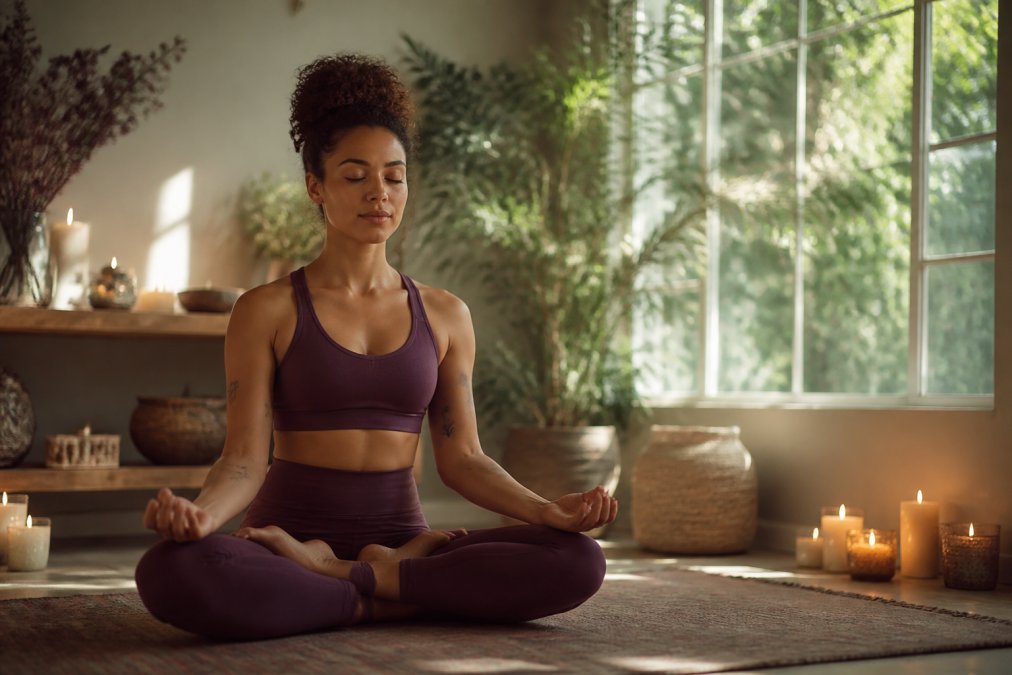
Now bring your awareness to the point between your eyebrows. A common technique is to gently roll your eyes upward as if trying to look at the center of your forehead, keeping your eyelids closed. Hold this gaze softly without strain, if you feel tension, relax your eye muscles and simply imagine the point instead. This physical cue, known as the "internal gaze," helps direct your attention to the ajna region.
Once your gaze is set, introduce the indigo light visualization. Imagine a small, warm sphere of indigo light glowing at your brow point. With each inhale, picture this light expanding slightly, filling the space behind your forehead. With each exhale, release any tension you notice in your jaw, your temples, or around your eyes. Many beginners find it helpful to mentally repeat the syllable "Om" on each exhale to anchor the mind.
A common pattern is that the mind wanders within the first minute. This is normal. The practice is not about having an empty mind; it is about noticing when you have drifted and gently returning your focus to the indigo light. Each return is a rep, strengthening your concentration like a muscle.
For the first week, aim for five minutes daily. In the second week, extend to ten minutes. By the third week, work toward fifteen minutes if your focus allows. Consistency matters far more than duration, a daily ten-minute session will outperform a single hour-long session once a month.
After your meditation, do not jump straight back into activity. Sit quietly for a minute with your eyes open, wiggle your fingers and toes, and take a few normal breaths. This transition period helps your nervous system integrate the state you just cultivated, reducing the risk of feeling spaced out or ungrounded later in the day.
Step 3: Use Crystals for Third Eye Activation
Crystals act as physical anchors for your intention during meditation. Amethyst, lapis lazuli, sodalite, and clear quartz are among the stones most commonly used for third eye work. Their role is not magical in itself; rather, holding or placing a stone helps your mind stay focused on the energy center you are trying to reach.
Lie down and place a small crystal on your forehead, just above the space between your brows. Close your eyes and breathe deeply for several minutes, imagining the stone's energy merging with the indigo light of your third eye. You can also hold a crystal in your palm during seated meditation or keep one under your pillow to encourage intuitive dreams.
When you are ready to bring this energy into your daily life, consider wearing an intuition-focused piece or keeping a stone in your pocket as a reminder of your intention.
Step 4: Add Visualization and Mantras
Visualization and mantra work together to strengthen the neural pathways associated with intuition and inner vision. After your basic meditation feels comfortable, add a guided visualization where you imagine a door at your brow point slowly opening to reveal a landscape of light. Trust whatever arises without judging it.
Sound is equally powerful. The mantra associated with the third eye is "Om" or "Sham." Chanting aloud or silently vibrates the energy in your head and throat, helping to dissolve blockages. You can also listen to recordings of these sounds or use a singing bowl during your practice.
A simple routine looks like this:
- Sit in your prepared space and ground yourself with five deep breaths
- Chant "Om" or "Sham" seven to ten times, feeling the vibration in your forehead
- Visualize the indigo light and your inner door opening for five minutes
- Sit in silence and notice any images, sensations, or thoughts that arise
- Journal anything that felt significant before returning to your day
Pairing these techniques with an intuition-focused intention candle, like the The Moon Tarot Candle as a wearable reminder or the Hecate Candle | Oakmoss & Amber Manifestation Soy Candle for deeper inner work, can reinforce your commitment throughout the day.

How Long Does It Take to Open Your Third Eye?
There is no single timeline for third eye awakening, but most practitioners report a predictable arc when they practice consistently. Understanding this arc helps you distinguish normal adjustment from a practice that needs modification.
Weeks 1-2: The Adjustment Phase. During the first two weeks, the most common experiences are subtle physical sensations, a gentle pressure between the brows, mild headaches, or a feeling of warmth in the forehead. Sleep patterns may shift, and dreams often become more vivid or unusual. This is your nervous system acclimating to a new mode of attention. If headaches persist beyond a few minutes after meditation, reduce your session length and ensure you are not straining your eye muscles.
Weeks 3-6: The Intuition Phase. With daily practice, many beginners notice their intuition sharpening. You might predict a phone call a moment before it rings, feel a strong "knowing" about a person or situation, or find that your dreams contain clearer symbolic messages. These signs your third eye is opening indicate that the neural pathways associated with pattern recognition and inner perception are strengthening.
Months 2-6: The Integration Phase. The real transformation happens off the cushion. As your intuition strengthens, you will be asked to trust it in daily decisions, to set boundaries, and to integrate what you perceive into your relationships and work. This psychological integration is where genuine growth occurs, and where many beginners stumble.
When to Slow Down or Stop
Third eye work is not appropriate for everyone at every moment. If you have a personal or family history of psychosis, schizophrenia, or bipolar disorder, intense meditation practices that alter perception can trigger episodes. If this applies to you, consult a mental health professional before beginning any chakra-opening practice, and consider focusing on grounding techniques like walking meditation or yoga instead.
Similarly, if you experience any of the following, pause your practice and seek support:
- Persistent anxiety or panic that does not subside after grounding
- Feeling disconnected from your body or surroundings for hours after meditation
- Difficulty distinguishing intuitive impressions from ordinary thoughts
- Sleep disturbances lasting more than two weeks
- Sensory overload, where lights, sounds, or crowds feel overwhelming
These symptoms are not signs of failure. They indicate that your nervous system needs more support than your current practice provides. Reduce your meditation frequency, shorten sessions, and prioritize grounding activities like walking barefoot on grass, eating a hearty meal, or spending time with loved ones. Opening the third eye is not a race; it is a lifelong relationship with your own perception, and pacing yourself is the wisest approach.
Frequently Asked Questions
What is the easiest way to open the third eye?
The easiest way for beginners is consistent third eye chakra meditation. Start with five minutes daily, focusing your attention on the space between your eyebrows. Add deep breathing and a simple visualization of indigo light at that spot. You can also use crystals for third eye activation, like amethyst or lapis lazuli, placed nearby during practice. The key is consistency, not intensity. Short daily sessions build the habit better than occasional long ones.
How do I know my third eye is open?
Signs your third eye is opening include heightened intuition, vivid dreams, increased sensitivity to energy, and moments of sudden clarity. You might notice colors appearing brighter or feel more connected to your inner voice. Physical sensations like pressure or tingling between your eyebrows are common too. These signs develop gradually over weeks or months of practice. Patience matters. If you feel overwhelmed by these changes, ground yourself by walking barefoot on grass or holding a grounding crystal.
What blocks the third eye from opening?
Common blocks include stress, overthinking, and a skeptical mindset. Physical factors like poor sleep and excessive screen time can also dull your intuition. Emotional baggage and unresolved trauma create energy blockages that keep the third eye closed. Fear is another major block, especially fear of what you might see or experience. To clear these blocks, practice daily meditation, limit screen time before bed, and work through emotional issues with journaling or therapy. Consistency in your spiritual practice gradually dissolves these barriers.
Are there risks associated with opening the third eye?
Yes, there are risks, especially if you push too hard. Some people experience anxiety, confusion, or feeling disconnected from reality during third eye activation. You might become overly sensitive to energy or struggle to distinguish intuition from imagination. If you have a history of mental health conditions like anxiety, schizophrenia, or bipolar disorder, approach this practice with caution. Start slowly, ground yourself regularly, and take breaks when needed. If you feel unstable, pause your practice and seek professional support.
Opening your third eye is a journey of returning to your own inner wisdom, not a destination to rush toward. The practices of meditation, visualization, and working with supportive tools can help you quiet the noise and hear your intuition more clearly. At Spill The Tea Sis Apothecary, we offer handcrafted intention candles and ethically sourced crystals to support your practice. Shop with intention and discover tools that help you trust your inner voice, one mindful session at a time.