


Table of Contents
- Why Choose a Handcrafted Tarot Deck
- Handcrafted vs. Mass-Produced: What's the Real Difference?
- How to Choose Your First Tarot Deck
- The Best Tarot Decks for Beginners: What to Look For
- Where to Find Authentic Handcrafted Decks Online
- Caring for Your Deck: Tarot Deck Care and Cleansing
- Start Your Tarot Journey with Intention
- Frequently Asked Questions
Last Updated: September 8, 2026
A tarot deck is more than a tool for divination; it is a personal artifact that carries the energy of your practice. When you buy handcrafted tarot decks online, you are not just purchasing card stock and imagery, you are investing in a piece of an artist's vision and supporting a slower, more intentional economy, and the same holds true when you seek out handcrafted tarot decks from independent creators. At Spill The Tea Sis Apothecary, we curate decks and spiritual tools for those who value this connection, recognizing that the object in your hands shapes the depth of your reading.
The choice between a mass-produced deck and a handcrafted one often comes down to how you want your tarot practice to feel. A handcrafted deck arrives with a unique energy, reflecting the illustrator's personal symbology and artistic choices rather than a generic template. Below, we'll guide you through what separates a truly artisan-crafted deck from the rest, how to identify quality, and where to find authentic pieces that will support your journey for years.
Why Choose a Handcrafted Tarot Deck
Choosing a handcrafted tarot deck is a deliberate act of aligning your spiritual tools with your values. These decks often feature original artwork that breaks from traditional archetypal imagery, offering fresh perspectives that can deepen your intuitive reading practice.
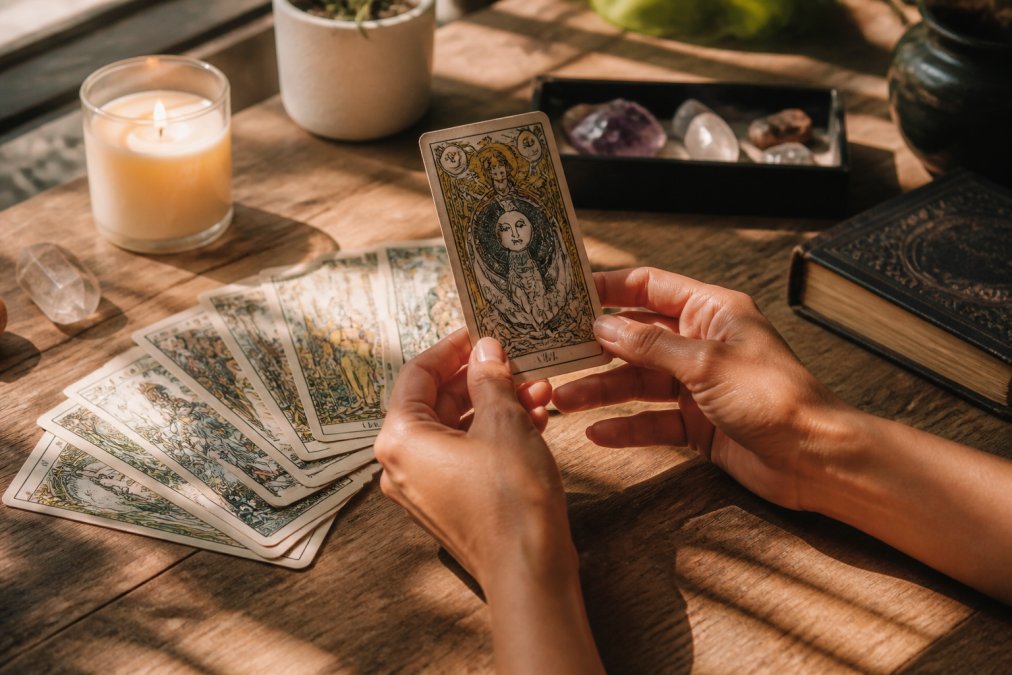
When you support independent artists, you are directly contributing to a creative ecosystem that values originality over mass production. Many practitioners find that the unique aesthetic of an indie deck fosters a stronger personal connection, making the deck a cherished part of their collection. This connection turns each reading into a more meaningful dialogue between you, the cards, and your intuition.
Handcrafted vs. Mass-Produced: What's the Real Difference?
The difference between a handcrafted deck and a mass-produced one is more than just aesthetics; it is a fundamental divergence in production philosophy, material selection, and quality control. Understanding these distinctions is key to making a purchase that aligns with your values and your practice.
The Production Process
Mass-produced decks are typically printed by large-scale manufacturers using offset lithography. This process is efficient for runs of 5,000 to 10,000+ units, but it requires significant upfront costs for plates and setup. To recoup these costs, manufacturers prioritize standardized imagery and consistent, low-cost materials. The artist often has little to no control over the final product once the file is sent to the printer.
In contrast, handcrafted and indie decks are usually produced in small batches, often between 100 and 1,000 units, using a digital printing process. This method has a higher per-unit cost but offers artists complete control over the final output. They can choose from a wider variety of card stocks, finishes, and specialty options like gilded edges or foil stamping, making each deck a deliberate artistic statement.
The Tangible Differences: Card Stock and Finish
When you hold a deck, the quality is immediately apparent. Here is what to look for to spot the difference:
- Card Stock Weight: Mass-produced decks often use a thinner card stock, typically around 300 GSM (grams per square meter). While functional, this can feel flimsy and prone to bending. High-quality handcrafted decks frequently use a heavier, more durable stock, often in the 330-350 GSM range. This provides a substantial feel and ensures the cards will withstand years of shuffling.
-
The Finish: The finish is the coating applied to the card surface. The most common types are:
- Matte Finish: This is the preferred choice for many readers. It reduces glare, making the artwork easier to see in low light, and resists fingerprints. A good matte finish should feel smooth but not sticky, allowing cards to slide easily when shuffling.
- Glossy Finish: Often found on mass-produced decks, this finish makes colors pop but is prone to glare and can feel slippery, making cards harder to handle in a riffle shuffle.
- Linen Finish: This adds a subtle texture to the card surface, similar to fabric. It provides excellent grip and a satisfying tactile feel, but it can slightly soften the sharpness of the artwork.
The 'Squish' Test
A common test among card enthusiasts is the 'squish' test. Take a card between your thumb and forefinger and gently press. A quality card stock should have a slight 'squish' or give, indicating a soft, layered core that will spring back to shape. A card that feels hard and brittle is more likely to crease or snap over time.
The Role of the Guidebook
Finally, consider the guidebook. Mass-produced decks often come with a thin, generic guidebook written to appeal to the broadest audience. Handcrafted decks, on the other hand, are an extension of the artist's vision. The guidebook is often a substantial, beautifully designed component of the deck itself, offering unique interpretations, personal anecdotes, and prompts for reflection that provide a deeper context for the imagery. This is a significant value-add that elevates the entire experience from a simple card set to a complete tool for personal growth.
How to Choose Your First Tarot Deck
Choosing your first tarot deck is a personal process that should be guided by intuition rather than trends. The best starting point is to select a deck whose artwork you find visually compelling and emotionally resonant, as you will be spending many hours studying its imagery.
A common mistake is choosing a deck solely because it is popular or aesthetically pleasing on a screen, only to find the card meanings are difficult to connect with. Consider whether the style supports the type of readings you want to do. For example, a deck with rich, detailed scenes offers more visual cues for storytelling than one with minimalist symbols. Ultimately, the right deck is the one that feels like an extension of your own mind, inviting you to explore its depths.
The Best Tarot Decks for Beginners: What to Look For
The best tarot decks for beginners are those that offer clear, approachable imagery while remaining true to the traditional structure of the 78-card system. For most newcomers, a deck based on the Rider-Waite-Smith tradition is recommended because its scenes are narrative and widely documented, making it easier to learn card meanings.
However, many beginners find that a handcrafted deck with an instructional guidebook provides a more engaging entry point. Look for decks that include a well-written guidebook that offers interpretations beyond the standard keywords, providing context and prompts for reflection. A deck with a cohesive artistic theme can also aid memory, as the recurring visual motifs help you link the cards to their core concepts. For those just starting their tarot journey, prioritizing clarity and guidance is more valuable than seeking out the most esoteric art.
Where to Find Authentic Handcrafted Decks Online
Finding a truly handcrafted deck requires a discerning eye and a strategy that goes beyond a simple keyword search. The market is crowded with imported, mass-produced decks that are often misrepresented as 'artisan' or 'indie.' To ensure you are investing in an authentic piece, you need a verification framework.
Your Sourcing Shortlist
Start your search in the right places. The most reliable sources are:
- Artist Direct Storefronts: Many independent artists sell exclusively through their own websites or platforms like Etsy. This is the most direct way to support the creator and often gives you access to their full catalog, including limited editions.
- Curated Metaphysical Shops: Shops like Spill The Tea Sis Apothecary act as a filter, vetting artists and products for quality and authenticity. This saves you the time and risk of vetting countless individual sellers yourself. We prioritize decks from makers who are transparent about their process and materials.
- Crowdfunding Platforms: Sites like Kickstarter are a launchpad for many innovative tarot decks. While this is a great way to discover new artists, it comes with inherent risks, such as production delays or the project not coming to fruition. Always check the creator's history and read the campaign updates carefully.
The Authenticity Verification Guide
Once you find a deck you like, use this checklist to verify its authenticity before you buy:
- Look for Print Run Numbers: A genuine handcrafted deck is rarely printed in unlimited quantities. Look for a stated print run (e.g., "Limited to 1,000 copies") or a number written on the inside of the box or on the last card. This is a hallmark of a true small-batch production.
- Scrutinize the Artist's Process: Do they show photos or videos of the creation process? Do they discuss their choice of card stock or printer? A genuine artist is usually proud to share the 'behind the scenes' of their work. Vague descriptions or stock photos are a red flag.
- Check for Signatures: Many artists sign their work, either on the cards themselves, the guidebook, or a separate art print included in the deck. This is a personal touch that mass-produced decks will never have.
- Read the Reviews for Specifics: Look beyond the star rating. Do reviewers mention the feel of the card stock, the quality of the printing, or the beauty of the guidebook? Specific, detailed reviews are a much better indicator of quality than generic praise.
- Communicate Directly: Don't be afraid to message the seller or artist with a question about their materials or process. A genuine artist will be happy to engage with you. A slow or evasive response is a significant red flag.
A Note on Ethical Sourcing
For many, the 'handcrafted' label also carries an ethical weight. When evaluating a deck, consider the sustainability of its production. Look for artists who are transparent about using:
- Eco-Friendly Card Stock: Some printers offer card stock certified by the Forest Stewardship Council (FSC), ensuring it comes from responsibly managed forests.
- Non-Toxic Inks: Look for decks printed with soy-based or vegetable-based inks, which are better for the environment than petroleum-based alternatives.
- Ethical Labor Practices: While most indie decks are printed in the U.S. or Europe, it's still worth asking about the printer's labor practices. A quick question to the artist can provide peace of mind.
By applying this framework, you move from being a passive consumer to an informed collector, ensuring that the deck you bring into your practice is not only beautiful but also authentic and aligned with your values.
Caring for Your Deck: Tarot Deck Care and Cleansing
Proper tarot deck care and cleansing is about maintaining the energetic clarity of your tool, ensuring that your readings remain sharp and intuitive. Practitioners generally agree that a deck should be cleansed after purchase and after particularly heavy or chaotic readings to reset its energy.
There are several simple methods to cleanse your deck, and the right one is a matter of personal resonance:
- Moonlight: Leave your deck on a windowsill under the light of a full moon overnight to charge and cleanse it.
- Sound: Pass your deck through the smoke of cleansing herbs or use a singing bowl to clear stagnant energy.
- Crystals: Place a clear quartz or selenite point on top of your deck to keep its energy clear.
- Shuffling: Simply shuffling the deck mindfully while focusing on your intention can be an effective way to clear and re-align the cards.
Storing your deck in a dedicated cloth or box protects it from physical damage and energetic clutter. Keeping your cards in a safe, respected place signals that you value the tool and the practice, which in turn deepens your connection to your readings.
Start Your Tarot Journey with Intention
Beginning a tarot practice is a commitment to self-reflection and personal growth. It is a journey that rewards patience and a willingness to engage with the archetypal imagery that has guided seekers for centuries. As you explore the world of handcrafted decks, remember that the most important factor is the connection you feel to the cards.
A handcrafted deck is a companion for this journey, a physical manifestation of the intention you bring to your practice. Whether you are a seasoned reader or a curious beginner, choosing a deck that resonates with you on a deep level can transform your tarot practice from a simple act of fortune-telling into a powerful tool for manifestation and empowerment. For those ready to begin or deepen their practice, the curated selection at Spill The Tea Sis Apothecary offers a starting point for those seeking to shop with intention and discover tools that support their authentic self.
Finding the right handcrafted tarot deck is about more than just aesthetics; it is about finding a tool that speaks to your soul and supports your personal growth. At Spill The Tea Sis Apothecary, we curate a selection of tarot cards, crystals, and intention candles to help you connect with your spiritual side and bring a little magic into your daily life. Explore our mystical offerings and discover the tools you need to manifest your best self. Shop with intention and find a deck that will be a cherished part of your ritual.
Frequently Asked Questions
How do I know if a tarot deck is truly handcrafted and authentic?
Look for details that mass-produced decks skip. Check for unique borderless designs, unusual card stock textures, or gilded edges. Read the artist's description: authentic makers often discuss their small batch printing process or custom printing choices. Ask sellers directly about their sourcing. A genuine artisan is usually happy to share their process, from the original illustrator's artwork to the final card finish.
What makes a handcrafted tarot deck better for beginners?
A handcrafted deck often feels more personal, which helps new readers build a stronger connection during intuitive reading. The textured card stock and matte finish common in indie decks are easier to shuffle and handle. Many artists also write detailed instructional guidebooks that explain the archetypal imagery in fresh ways, which can be more approachable than dense historical texts that come with mass-produced decks.
Is it better to buy a handcrafted or mass-produced tarot deck?
The choice depends on your values. Mass-produced decks like standard Rider-Waite-Smith are affordable and easy to replace. Handcrafted decks support independent artists, offer unique esoteric art, and are often made with higher-quality materials that feel better in your hands. If you value artistry, sustainability, and owning a collectible piece, a handcrafted deck is worth the investment.
How should I cleanse and care for my new handcrafted tarot deck?
Start by clearing the deck's energy before your first reading. Common methods include knocking three times on the card stack, smudging with sage smoke, or leaving it under moonlight overnight. Store your deck in a cloth or a wooden box to protect it from sunlight and moisture, which can fade or warp the card stock. Handle cards with clean, dry hands to preserve the finish.